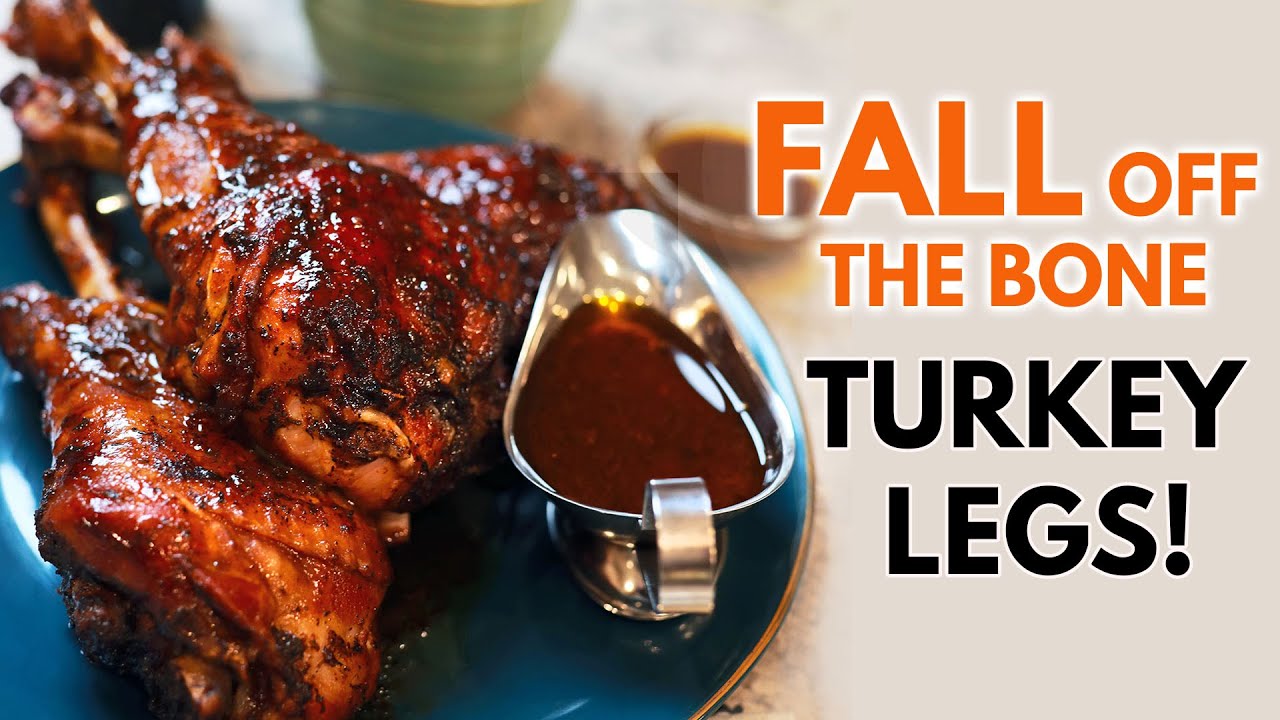
The Secret to an Unforgettable Thanksgiving Turkey
Thanksgiving is a time for gathering, gratitude, and, of course, a show-stopping feast. At the heart of this culinary celebration lies the majestic turkey, often the subject of both anticipation and apprehension. Many home cooks fear the dreaded dry bird, especially when preparing a large roast turkey for Thanksgiving. But what if we told you there’s a virtually foolproof method to achieve a succulent, juicy turkey where the meat practically falls off the bone? Prepare to impress your guests and finally put an end to any debates about when the bird is done with this incredible recipe, adapted to ensure a moist and flavorful centerpiece.
Say goodbye to dry white meat and hello to a Thanksgiving masterpiece that will have everyone asking for seconds. This approach to cooking your roast turkey for Thanksgiving is so forgiving, you might just find yourself looking forward to turkey day even more!
Gather Your Arsenal: Ingredients & Equipment for a Perfect Roast Turkey
Success in the kitchen often begins with preparation. Before you embark on your turkey triumph, ensure you have all the necessary ingredients and equipment at hand. This recipe is designed to be straightforward, using readily available items to maximize flavor and moisture.
Ingredients:
- 1 Whole Turkey: Plan for approximately 1.25 pounds per person to ensure enough for leftovers. A typical 17-pound turkey will serve around 12-14 people generously.
- 2 Medium Oranges: These citrusy gems infuse the turkey with aromatic flavor and help maintain moisture.
- 2 Medium Onions: Quartered onions contribute a foundational savory aroma that permeates the bird.
- 1 ½ cups (3 sticks) Unsalted Butter: Softened or melted, this is your secret weapon for a golden, crispy skin and incredibly moist meat. Consider using high-quality butter for best results.
- Seasoning of Your Choice: While Mrs. Dash Original is recommended for its balanced flavor, feel free to get creative! A simple blend of kosher salt, freshly ground black pepper, garlic powder, onion powder, paprika, and dried herbs like thyme and rosemary works wonderfully.
- 4 cups Water (or Chicken/Vegetable Broth): Placed in the bottom of the roasting pan, this creates a steamy environment essential for a moist turkey. Broth will add even more flavor to your pan drippings.
Equipment:
- Large Roasting Pan: Ensure it’s big enough to comfortably hold your turkey without touching the sides. A rack within the pan is highly recommended for even cooking and crispier skin.
- Oven (or Electric Roaster): Both work beautifully. An electric roaster offers convenience and frees up oven space for other side dishes. For more details on choosing your cooking method, check out our guide: Moist Thanksgiving Turkey: Oven vs. Electric Roaster Tips.
- Instant-Read Meat Thermometer: Absolutely non-negotiable for safety and perfectly cooked turkey. Relying on visual cues alone can lead to an overcooked or undercooked bird.
- Large Bowl or Container for Thawing (if applicable): Essential for safe thawing.
- Aluminum Foil: For tenting and resting.
Step-by-Step: Crafting Your Thanksgiving Masterpiece
Now, let's dive into the simple yet effective steps to prepare a magnificent roast turkey for Thanksgiving that will truly impress.
- Thaw Your Turkey Completely: This is paramount for even cooking. Thaw in the refrigerator (allowing 24 hours per 4-5 pounds) or using the cold-water method (submerge in cold water, changing water every 30 minutes, allowing 30 minutes per pound). Once thawed, remove the turkey from its packaging and retrieve the neck and giblets from both cavities (main and neck). Pat the turkey thoroughly dry with paper towels – this helps achieve that beautiful, crispy skin.
- Prepare the Aromatics: Cut your oranges and onions into quarters or eighths. These aromatics will be gently stuffed into the turkey cavity. Don't overstuff, as air circulation is still important. The citrus and allium vapors will infuse the meat from the inside out.
- Hydration is Key: Pour 4 cups of water (or broth) into the bottom of your roasting pan. This liquid will steam throughout the cooking process, creating a moist environment that prevents the turkey from drying out, particularly in a traditional oven.
- Butter Up for Perfection: Melt the butter gently. While the reference suggests pouring it over, we recommend a slight tweak for maximum impact: work some of the softened butter directly under the skin, especially over the breast meat. Then, pour the remaining butter evenly over the entire turkey. Use your clean hands to thoroughly rub the butter into the skin, ensuring every crevice is coated. This not only promotes incredible browning but also locks in moisture and carries the flavor of your seasoning deep into the meat.
- Season to Perfection: Generously sprinkle your chosen seasoning blend over the buttered turkey. Don't be shy – a large bird needs a good amount of seasoning to truly shine. Ensure even coverage on all surfaces.
- Bake It to Perfection: Preheat your oven to 320°F (160°C). Place the turkey, breast-side up, on a roasting rack within the pan. Bake for approximately 1 hour per 3 pounds of turkey. So, for a 17-pound bird, expect about 5.5 to 6 hours of cooking time. However, this is just a guideline – your meat thermometer will be your true guide!
- Basting for Extra Moisture (Traditional Oven): If you’re using a traditional oven and not an electric roaster, baste the turkey with the pan drippings every hour. This helps keep the skin moist and contributes to a beautiful, golden crust. Electric roasters often circulate moisture so efficiently that basting isn't necessary, making them a popular choice for hassle-free cooking.
- Check for Doneness: Begin checking the internal temperature with your instant-read meat thermometer in the thickest part of the thigh (without touching bone) and the thickest part of the breast at least an hour before the estimated finish time. The turkey is done when it reaches 165°F (74°C). The meat should be tender, and the juices should run clear.
- The All-Important Rest: Once the turkey reaches the target temperature, remove it from the oven (or roaster) and tent it loosely with aluminum foil. Let it rest for a crucial 15-20 minutes (or even up to 30 minutes for a very large bird) before carving. This resting period allows the juices to redistribute throughout the meat, resulting in a significantly more tender and flavorful bird. Skipping this step is a common mistake that leads to dry turkey!
Beyond the Basics: Expert Tips for Turkey Triumph
Achieving a perfectly roast turkey for Thanksgiving goes beyond just following the steps. Here are some invaluable tips to elevate your holiday bird:
- Electric Roaster Advantage: As mentioned, an electric roaster is a fantastic tool for Thanksgiving. It maintains a consistent, moist heat, often eliminating the need for basting, and frees up your main oven for other dishes like casseroles and pies. If your roasting pan lacks a lid, creating a tight foil tent can mimic the roaster's moisture-trapping benefits.
- Gravy Goodness: Don't let those flavorful pan drippings go to waste! After removing the turkey, skim off excess fat from the drippings. You can then use the remaining liquid as the base for an incredible homemade gravy. Whisk in a roux (equal parts melted butter and flour, cooked for a minute or two) until you reach your desired consistency, adding more liquid (broth or water) if needed. Season to taste.
- Consider Brining: For an extra layer of moisture and flavor, consider a wet or dry brine a day or two before roasting. Brining helps the turkey absorb moisture and seasoning, resulting in an even more tender and succulent final product. While this recipe is already incredibly juicy, brining can take it to the next level. For more comprehensive roasting techniques, refer to our article: How to Roast a Juicy Thanksgiving Turkey: A No-Fail Guide.
- Trussing (or Not): While some recipes call for trussing (tying the legs and wings), for this method, it's largely optional. The goal is even cooking, and a non-trussed bird can sometimes cook more evenly in the thighs, which tend to be thicker. If you do truss, ensure it's not too tight.
- Oven Calibration: Ovens can vary. If you suspect your oven runs hot or cold, an oven thermometer can help you verify its accuracy and adjust cooking times accordingly.
- Carving with Confidence: Once rested, carve your turkey efficiently. Start by removing the legs and thighs, then separate the breast meat from the bone. Slice against the grain for the most tender pieces.
With this comprehensive guide, you're now equipped to create a truly spectacular roast turkey for Thanksgiving. This method is designed to be forgiving, flavorful, and will undoubtedly leave your guests raving about your culinary prowess. Embrace the joy of cooking and savor the delicious rewards of a perfectly cooked, fall-off-the-bone Thanksgiving turkey!
