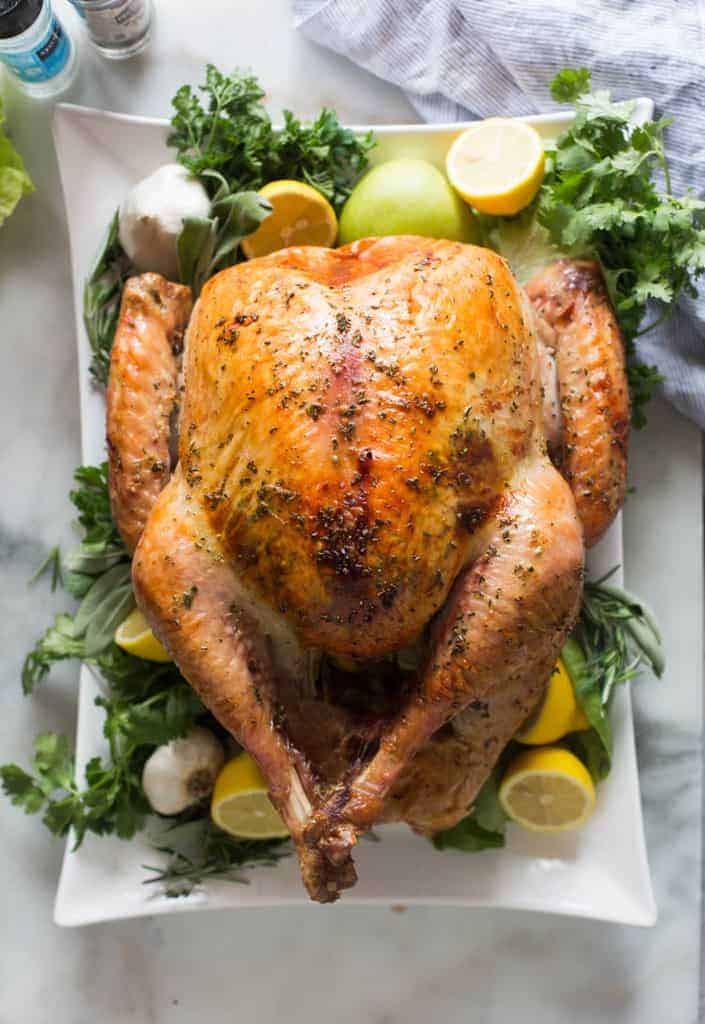
How to Roast a Juicy Thanksgiving Turkey: A No-Fail Guide
Thanksgiving is a time for family, gratitude, and, of course, an unforgettable feast. At the heart of this celebration, for many, lies the magnificent impress your guests: fall-off-the-bone Thanksgiving turkey recipe. However, the prospect of cooking a large bird can be daunting, often leading to fears of dry, flavorless white meat. If you've ever found yourself in a debate about whether the turkey is done or wishing for a more succulent bird, you're in the right place. This comprehensive guide will equip you with a no-fail method to roast turkey for Thanksgiving that is so juicy, so tender, it practically melts in your mouth.
Forget everything you thought you knew about wrestling with a dry bird. We're about to unveil a highly forgiving turkey cooking method that promises consistent moisture and incredible flavor, ensuring your Thanksgiving centerpiece is the star of the show. Adapted and expanded from proven techniques, this recipe focuses on smart preparation and a gentle roasting process that guarantees a perfect result every time.
The Secret to a Perfectly Juicy Thanksgiving Turkey
Many traditional turkey roasting methods can inadvertently lead to dry meat, especially in the breast. This usually happens due to high heat, insufficient moisture, or simply overcooking. Our approach tackles these issues head-on, focusing on creating an environment that locks in moisture and infuses every bite with robust flavor. The core philosophy here is a combination of internal aromatics, external basting (or self-basting in an electric roaster), and a strategic low-and-slow oven temperature.
We'll transform your turkey from a potential dry disappointment into a succulent, flavorful masterpiece. The secret lies in a few simple, yet powerful, steps: using aromatic fruits and vegetables inside the cavity, adding water to the roasting pan for steam, generously slathering the bird with butter for browning and moisture, and maintaining a consistent, moderate oven temperature. These elements work in harmony to prevent dryness and develop an exquisite taste that will leave your guests reaching for seconds.
Gathering Your Essentials: Ingredients & Equipment
Before you embark on your turkey-roasting journey, ensure you have all your ingredients and equipment ready. Preparation is paramount for a stress-free Thanksgiving Day.
Ingredients for Your Masterpiece
- 1 Turkey: Approximately 1.25 pounds per person. Opt for a fresh turkey if possible, as it often has better flavor and texture. If frozen, ensure ample time for thawing.
- 2 Medium Oranges: Cut into quarters or eighths. These contribute aromatic citrus notes and vital moisture to the cavity.
- 2 Medium Onions: Also cut into quarters or eighths. Onions add a savory depth of flavor to the turkey as it roasts.
- 1 ½ Cups Butter (3 sticks): Melted. High-quality unsalted butter is recommended for a rich, golden-brown skin and incredible flavor.
- Seasoning of Your Choice: Mrs. Dash Original is a classic choice, offering a balanced blend of herbs and spices without added salt. Other excellent options include a mix of dried sage, thyme, rosemary, garlic powder, onion powder, and paprika. Don't be shy with your chosen blend!
- 4 Cups Water: For the bottom of the roasting pan. This creates a steamy environment that prevents the turkey from drying out and helps collect flavorful drippings for gravy.
Essential Equipment for Success
- Roasting Pan: A sturdy, large roasting pan with high sides is essential. If your pan doesn't come with a lid, heavy-duty aluminum foil will serve as a makeshift cover.
- Oven (or Electric Roaster): While a traditional oven works perfectly, an electric roaster offers the benefit of freeing up your main oven for other Thanksgiving dishes and often eliminates the need for basting. For more insights, check out our article on Moist Thanksgiving Turkey: Oven vs. Electric Roaster Tips.
- Instant-Read Meat Thermometer: This is arguably the most critical piece of equipment. It takes the guesswork out of cooking, ensuring your turkey reaches a safe internal temperature without being overcooked.
- Optional but Recommended: A large platter or cutting board with a well to catch juices, a basting bulb (if not using an electric roaster), and kitchen twine for trussing (though not strictly necessary for this method).
Step-by-Step: Roasting Your No-Fail Thanksgiving Turkey
Follow these steps meticulously, and you'll be on your way to a truly memorable roast turkey for Thanksgiving.
Preparation is Key
- Thaw Your Turkey Completely: This is crucial. Thaw your turkey in the refrigerator, allowing approximately 24 hours for every 4-5 pounds. A partially frozen turkey will cook unevenly.
- Remove Neck and Giblets: Reach into both the main cavity and the neck cavity to remove the giblets (liver, gizzards, heart) and the neck. You can reserve these for making delicious gravy or stock.
- Pat Dry: Using paper towels, thoroughly pat the turkey dry, inside and out. A dry skin promotes better browning and crispiness.
Infusing Flavor & Moisture
- Stuff the Cavity: Cut the oranges and onions into quarters or eighths. Loosely stuff the turkey cavity with these aromatic pieces. They will release steam and flavor into the bird from the inside out.
- Add Water to the Roasting Pan: Pour 4 cups of water into the bottom of your roasting pan. This creates a moist environment in the oven, preventing the turkey from drying out and ensuring you have flavorful pan drippings for gravy.
- Butter Up the Turkey: Melt the 1 ½ cups of butter. Carefully pour the melted butter evenly over the entire turkey. Use your clean hands to rub the butter thoroughly into the skin. This step is vital for a golden, crispy skin and helps keep the meat moist.
- Season to Perfection: Generously sprinkle your chosen seasoning (like Mrs. Dash Original or your custom blend) over the entire buttered turkey. Don't forget the sides and the drumsticks.
The Roasting Process: Low and Slow Perfection
- Preheat Oven: Preheat your oven to a consistent 320°F (160°C). This lower temperature is key to preventing the turkey from drying out and allows for gentle, even cooking.
- Place in Pan: Carefully place the seasoned turkey in the roasting pan, breast-side up.
- Bake It to Perfection:
- Cooking Time: As a general guideline, bake for approximately 1 hour per 3 pounds of turkey. So, for a 15-pound turkey, you would roast for about 5 hours. A 20-pound turkey would take roughly 6 hours and 40 minutes. Always rely on the thermometer for final doneness, not just time.
- Basting (Traditional Oven): If you're using a traditional oven, baste the turkey with the pan drippings every hour. This helps keep the skin moist and promotes even browning.
- Electric Roaster: If using an electric roaster, the cook time should be roughly the same, and you typically won't need to baste as these appliances are designed to retain moisture effectively.
- Foil Tent: If your roasting pan doesn't have a lid and you notice the skin browning too quickly before the turkey is cooked through, create a loose foil tent over the bird to trap moisture and prevent over-browning.
Checking for Doneness & The All-Important Rest
- Check for Doneness: Starting about an hour before the estimated cooking time, begin checking the internal temperature using your instant-read meat thermometer. Insert the thermometer into the thickest part of the thigh (without touching the bone) and the thickest part of the breast. The internal temperature should reach 165°F (74°C) in both areas to be considered safely cooked.
- Let the Turkey Rest: Once the turkey reaches 165°F, remove it from the oven (or electric roaster) and immediately transfer it to a large cutting board or platter. Tent it loosely with aluminum foil and let it rest for a minimum of 15-20 minutes, or even up to 30 minutes for a larger bird. This resting period is critical! It allows the juices, which have migrated to the center during cooking, to redistribute throughout the meat, resulting in a significantly more tender and flavorful bird.
Tips & Tricks for a Thanksgiving Feast
To elevate your Thanksgiving dinner even further, consider these additional tips:
- Gravy Goodness: Don't let those flavorful pan drippings go to waste! After removing the turkey, skim off any excess fat from the drippings. Place the roasting pan on the stovetop over medium heat (if it's stovetop-safe). Whisk in a tablespoon or two of flour or cornstarch slurry (cornstarch mixed with a little cold water) and stir continuously, scraping up any browned bits from the bottom of the pan, until you reach your desired gravy consistency. Season with salt and pepper to taste.
- Carving Smart: A sharp carving knife is essential. Once the turkey has rested, carve it against the grain for the most tender slices. Start by removing the legs and thighs, then the wings, and finally slice the breast meat.
- Beyond Mrs. Dash: While Mrs. Dash is great, feel free to experiment. A mixture of fresh herbs like rosemary, thyme, and sage tucked under the skin (carefully, without tearing!) can add an incredible aroma and flavor profile. You can also mix minced garlic into your melted butter.
- Turkey Size Matters: For very large turkeys (20+ pounds), consider slightly increasing the water in the pan or adding chicken broth for even more moisture and flavor.
This comprehensive method ensures your roast turkey for Thanksgiving will be a memorable center-piece, impressing every guest with its succulence and flavor. With this guide, you can confidently prepare a moist, fall-off-the-bone turkey that will put an end to any dryness debates at your holiday table. For even more detailed insights, be sure to explore our article on Impress Your Guests: Fall-Off-The-Bone Thanksgiving Turkey Recipe.
Armed with this no-fail guide, you are now ready to tackle the Thanksgiving turkey with confidence and skill. Say goodbye to dry, disappointing birds and hello to a juicy, flavorful masterpiece that will be the talk of your holiday table. Enjoy the delicious rewards of your efforts and have a truly wonderful Thanksgiving!
